Diesel vs Electric Tractor: Which One is Better for Farmers in India?
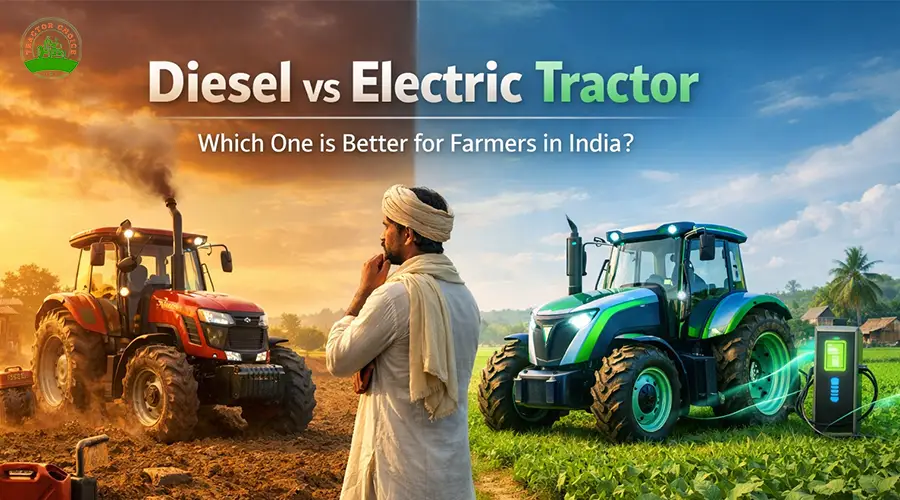
The Indian agricultural sector is changing rapidly with the implementation of new technological innovations. The modern controversy about agriculture focuses on the issue of the superiority of one type of tractor over the other, i.e. whether electric tractors are better than diesel-powered tractors. Electric tractors are also being adopted by farmers who wish to cut down the cost of operation and the environmental effects of the traditional diesel-run machines.
What is the most beneficial one for Indian farmers? We shall make an in-depth analysis to juxtapose the two options.
What is a Diesel Tractor?
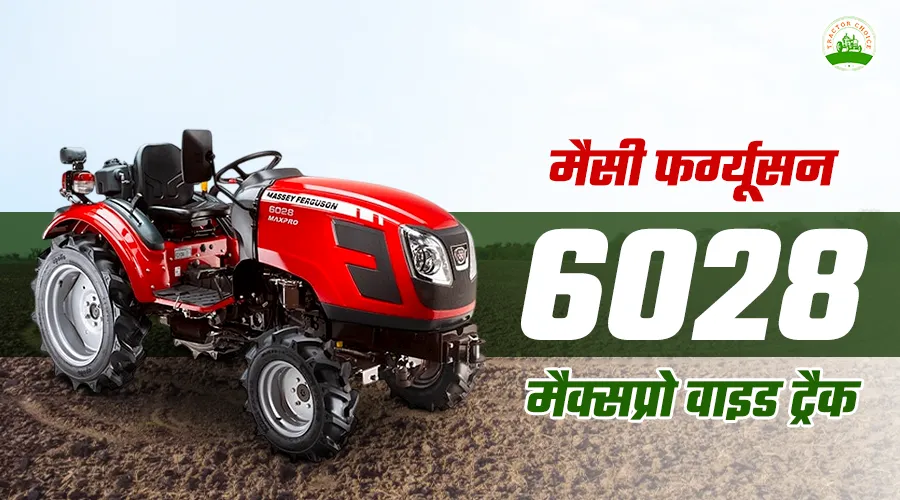
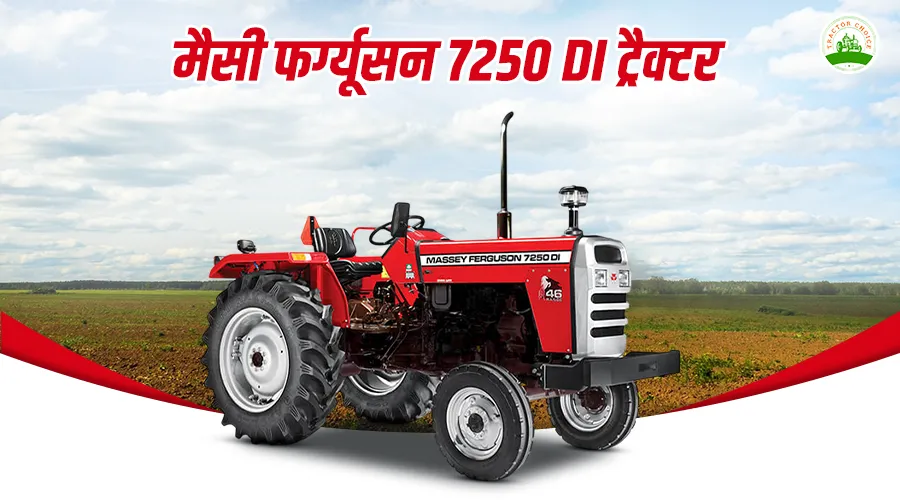
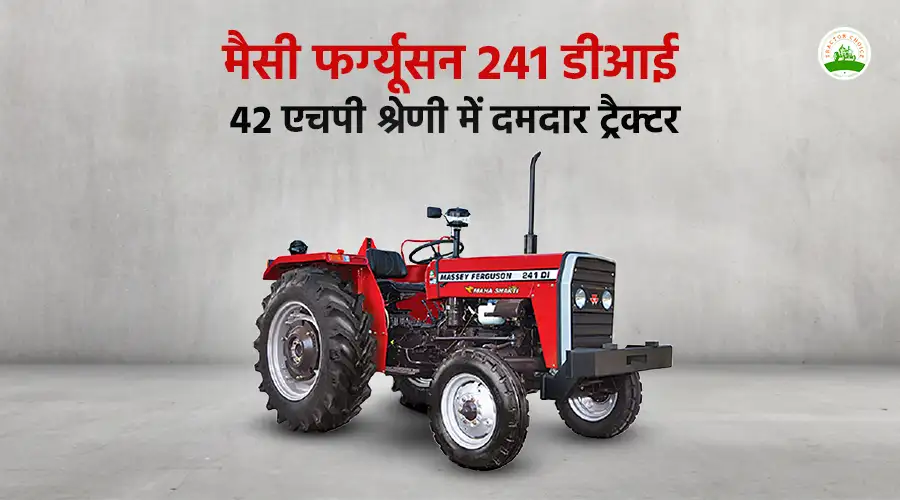
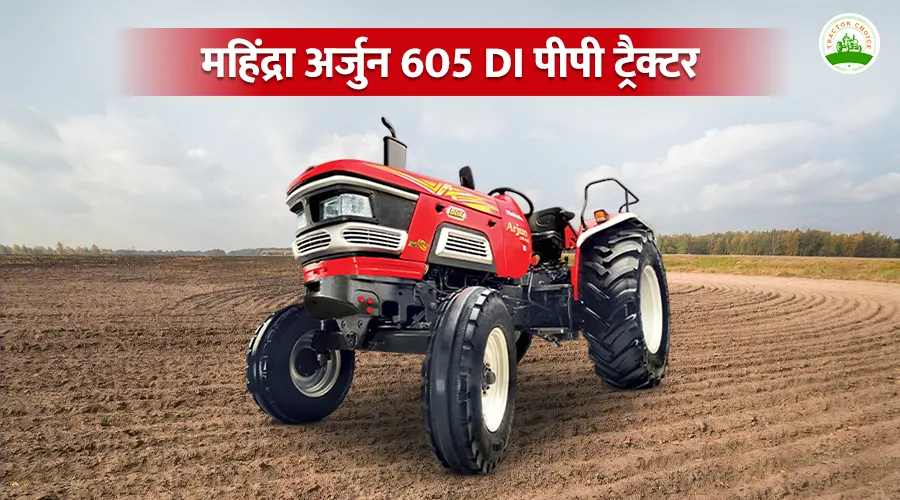
In India, farmers are operating diesel tractors as their farming machinery since it is their most preferred type of farming machine. The car uses diesel fuel to provide high power output and long-life performance capacity to accomplish heavy-duty tasks.
What is an Electric Tractor?
An electric tractor operates without the use of diesel. It is a new technology that aims to provide low operating costs, environmentally friendly operation, and low noise.
Diesel vs Electric Tractor: Major Disagreements.
Initial Cost
- Diesel Tractor: It is less expensive in terms of the initial cost and is affordable to a large number of farmers.
- Electric Tractor: This is more expensive at first because of the battery and novel technology.
Diesel tractors are cheaper when buying them.
Running Cost
- Diesel Tractor: The cost of fuel is quite high because of the increase in the cost of diesel.
- Electric Tractor: The cost of running it is very low because electricity is cheaper.
Electric tractors are cost-effective in the long-term.
Maintenance
- Diesel Tractor: It needs frequent servicing, e.g. engine oil, filters, and servicing.
- Electric Tractor: Requires fewer moving parts and thus has low maintenance.
Tractors with electric power prevail in terms of maintenance.
Performance & Power
- Diesel Tractor: Ideal in terms of serious farming, transportation, and prolonged working hours.
- Electric Tractor: This one is appropriate for light to medium work, such as orchard farming.
Large-scale farming requires more powerful tractors, which are diesel tractors.
Working Hours
- Diesel Tractor: Has the ability to run all day and all night, provided there is fuel.
- Electric Tractor: Weak battery (4-8 hours based on use)
The diesel tractors suit long working hours.
Environmental Impact
- Diesel Tractor: It emits and causes pollution.
- Electric Tractor: Environmentally friendly and no-emission.
Electric tractors are safer for the environment.
Charging & Infrastructure
- Diesel Tractor: Anywhere, easy refuelling.
- Electric Tractor: There is still a limited charging infrastructure in rural regions.
A diesel tractor is more convenient in remote locations.
The benefits of Diesel Tractors.
- High power and torque
- Fit to do tough farm work.
- Easy fuel availability
- Long working hours
- Verified and trusted technology.
Debits of Electric Tractors.
- Low running cost
- Minimal maintenance
- Ecological and pollution-free.
- Quiet operation
- Perfect for small farms and orchards.
What is the best Tractor to use by Indian Farmers?
The solution will vary depending on the requirements of the farmer:
Choose Diesel Tractor if:
- You have a large farmland
- Performance heavy-duty is required of you.
- You work long hours daily
- You should have easy access to fuel.
Choose Electric Tractor if:
- You have a small or medium-sized land
- You want to save on fuel costs
- You are a proponent of environmentally-friendly agriculture.
- You do light to medium work
Conclusion
Diesel and electric tractors have disadvantages and benefits. Electric tractors are now the most economical and environmentally friendly option to small farmers, whereas diesel tractor is the optimal solution to large-scale and heavy-duty farming.
The rising trend of using electric tractors in India will happen in the coming few years due to the growth of technology and the expansion of charging stations.
At this point, the right choice must be decided upon based on your financial capability and the size of your farm and how you will use it.
Category
Similar Posts