Walnut Farming in India: Everything You Need to Know for High Profit

Walnut Farming in India
The cultivation of walnuts in India is becoming popular because of the demand for dry fruits, awareness of healthy eating, and the price of the products in the market is good. Walnuts are prized due to their great nutritive value and durability in the market, and their export capability. Walnut production would be economically viable in the long term as long as the farmers in the Indian states have the appropriate climatic conditions to practice orchard production.
This paper describes the Walnut farming in India, the climate conditions, the farming methods used, the management of the orchards, and the common types of walnuts that are produced in India.
Climate and Soil Requirements for Walnut Farming
The walnut trees do well in temperate climatic conditions where winters are cold and summers are mild. A winter with a chilling regime is necessary in order to flower and develop fruits. In India, walnuts are typically cultivated in areas where the temperatures are low enough.
Walnut cultivation prefers:
- Cool winters and moderate summers
- Annual rainfall between 750–1,200 mm
- Well-drained, deep loamy soil
- Soil pH ranging from 6.0 to 7.5
Waterlogging should be strictly avoided, as walnut trees are sensitive to excess moisture around the root zone.
Major Walnut-Growing Regions in India
- Walnut farming is concentrated in northern hill regions, including:
- Jammu & Kashmir
- Himachal Pradesh
- Uttarakhand
- Parts of Arunachal Pradesh
These areas naturally provide suitable altitude, climate, and soil structure for walnut orchards.
Land Preparation and Planting Method
In the long-term productivity of walnut trees, proper land preparation is highly important. Fields are to be properly cleaned, levelled and ready before planting. Deep ploughing is used in order to loosen the hard layers of soil and enhance the penetration of roots.
Pits of 1m x 1m x 1m are bored and stuffed with a blend of topsoil and well-decomposed organic manure. The walnut saplings are usually planted in the dormant period between 50 and 80 days, normally in December to February, to achieve better establishment.
Spacing of 10–12 meters between plants is recommended to allow full canopy development.
Role of Tractors in Walnut Orchard Management
The orchards of walnut are to be managed over several years, and mechanisation may decrease the levels of labour dependence and cost of operations. Tractors are also significant in land preparation, intercultural work, carriage of manure and maintenance of orchards.
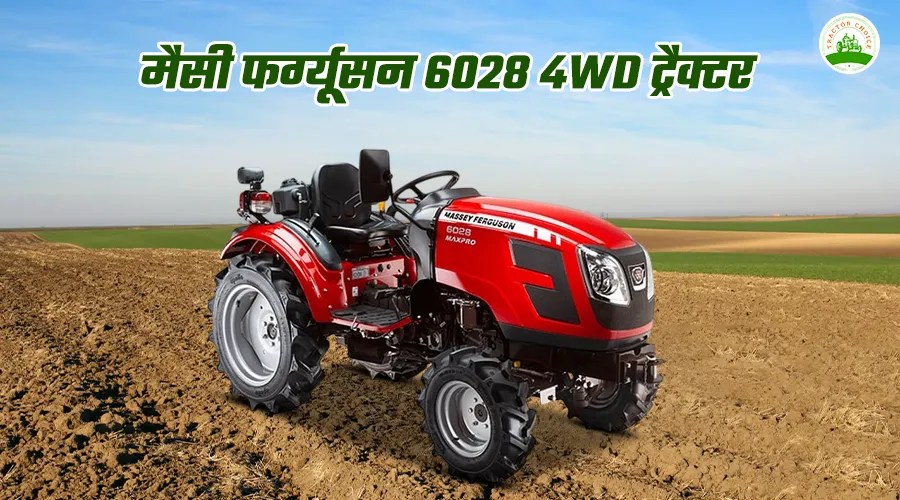
In the case of walnut farming, the tractor type would be dependent on the size of the orchard and the terrain. Mini-tractors of small size and compact size or structure are used in situations of narrow orchard rows and light work, whereas mid-range tractors with 4WD work well in the hilly environment and in heavy-duty activities like ploughing and haulage. Mahindra JIVO, John Deere 5050D, and New Holland TX Plus are the models that are usually favoured in the farming of orchards and plantations owing to their power versus manoeuvrability. Specific data concerning tractor specifications, features, and prices can be found on sites such as Tractorbird.com, which are informational sites for farmers.
Irrigation and Nutrient Management
Walnut seedlings should be irrigated regularly in the first years of their growth. Nevertheless, when the trees have already grown up, the frequency of irrigation can be decreased based on the rainfall and the soil moisture.
Key irrigation points:
- First 3–4 years: frequent light irrigation
- Flowering and nut development stage: critical watering period
- Avoid excess irrigation during the monsoon
Nutrient management entails the use of farmyard manure and balanced fertilisers. It increases the health of the soil and improves the quality of nutrients in the soil since organic matter is present. The soil testing assists in the process of deciding the precise level of fertiliser needed.
Pest and Disease Management
Walnut trees are relatively hardy but can be affected by pests and diseases if not managed properly.
Common problems include:
- Aphids
- Walnut blight
- Root rot in poorly drained soils
Regular orchard monitoring, proper pruning, good drainage, and timely preventive measures help maintain plant health and reduce losses.
Harvesting and Yield
Walnut trees usually start bearing fruit after 6–8 years, with commercial production beginning around 10–12 years. Nuts are harvested once the green outer husk splits and separates from the shell.
Harvesting is mostly done manually, followed by drying and grading. Proper post-harvest handling is important to maintain kernel quality and market value.
A well-managed walnut orchard can produce 2–4 tons per hectare, depending on variety, climate, and orchard practices.
Popular Walnut Varieties Grown in India
Several walnut varieties are cultivated across Indian walnut-growing regions:
- Juglans regia (English Walnut) – Most widely grown variety with good kernel quality
- Kashmir Selection – Known for thin shells and high oil content
- Gobind – Early-bearing variety suitable for hill regions
- Hamdan – Popular for better nut size and uniform shape
The selection of varieties should be based on local climate, altitude, and market demand.
Conclusion
Walnut farming in India can be a good prospect for farmers in areas with good climatic conditions. Walnut production is a stable income, market demand, and long life span of the orchard, though it takes a long time to begin producing. Through appropriate land preparation, orchard management, irrigation planning and application of the right farm machinery, farmers are able to enhance productivity and profitability to a great extent.
With the ever-increasing interest in orchard and plantation farming, the application of modern practices and informed decision-making will be important to the success of walnut farming in India.
Category
Similar Posts